ServicesInherited & Probate Houses
Inherited & Probate House Sales in Linden
An estate sale runs on extra rules that an ordinary sale doesn't. We confirm what authority you hold to sign, which court notices apply and what the sale will cost, then hand you that plan in writing before anything is signed.

Selling a house that belongs to an estate
An inherited property can't be sold like an ordinary one until someone has the legal power to sign. In California that usually means an executor or administrator holding Letters from the probate court, or a successor trustee named in a living trust. Which one you are decides how the sale runs, how long it takes and whether a judge has to approve the final price.
Our work as a real estate agent began in 2015, and we have been a licensed real estate broker since 2021. On estate sales we start with the paperwork, not the price. Once we know your authority, we give you a written outline of the steps, the expected timeline and each cost tied to the sale, so the heirs see the same numbers you do.
What our estate sale work covers
- Authority check
- We review your Letters Testamentary, Letters of Administration or trust documents and confirm who can sign. If the estate holds limited authority under the Independent Administration of Estates Act, we explain why the sale will need court confirmation.
- Written cost breakdown
- Before you sign an agreement, you get our commission and the typical seller costs in writing: escrow, title, county transfer tax and any court-related steps. Nothing gets added later without your approval.
- Pricing from the property itself
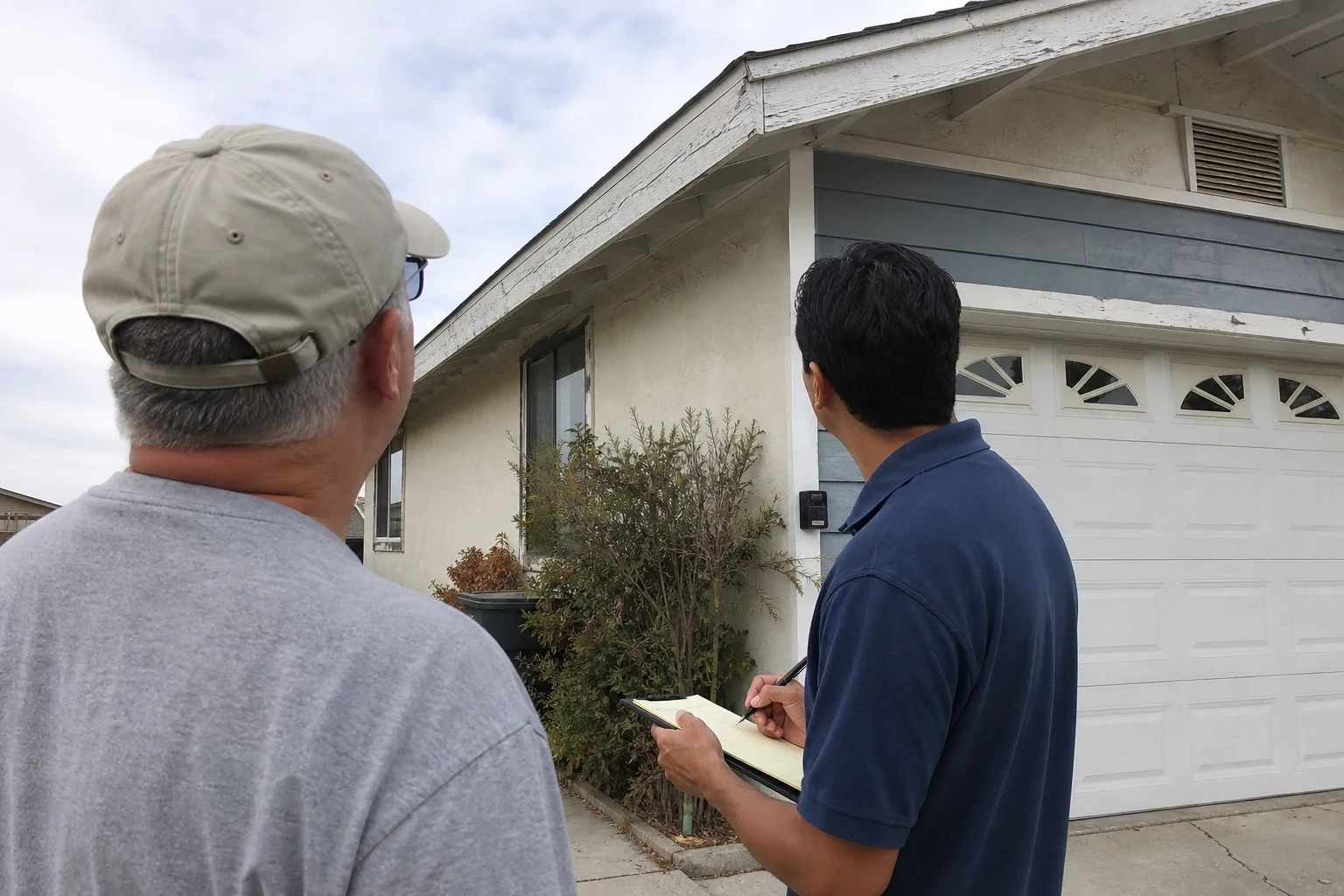
- We look at the roof, foundation, plumbing and electrical, plus the systems many rural properties around Linden rely on, like a private well and septic. Those condition notes shape the price and what a buyer will ask about.
- Notice and timing coordination
- With full authority, the estate usually sends a Notice of Proposed Action and waits out the objection period before closing. We build that wait into the schedule so escrow dates are realistic.
- Working alongside your attorney
- We are not lawyers or tax advisors. We share documents with the estate's attorney and CPA so the court filings and the sale line up.
Signs it's time to plan the sale
The house is sitting empty
An unoccupied property still carries property tax, insurance and utility costs. Vacancy can also limit insurance coverage, which matters for the estate.
Heirs disagree on keep or sell
When several heirs share title, a written plan with costs and timing gives everyone the same facts to decide from.
You were just appointed
Once Letters are issued, the estate's inventory and appraisal follows. Knowing the likely sale value early helps with that and with paying estate debts.
The trust names you trustee
A trust sale skips probate court, but you still need recorded documents showing your authority. We help you see what title will ask for.
How an estate sale moves from start to close
- 1
First conversation
By phone, video or at our office, you tell us how the property was left and what paperwork you hold. We list the documents still needed.
- 2
Property review and written plan
We assess the house and its systems, then give you a written plan covering price range reasoning, commission, seller costs and expected timing.
- 3
Offers and estate approvals
We bring offers to you and the attorney. If court confirmation applies, the accepted price goes to a hearing where other buyers may overbid by a minimum set in the Probate Code.
- 4
Escrow and closing
We track inspections, disclosures and title clearance through escrow. Funds go to the estate or trust account for distribution as the attorney directs.
What affects the cost of an estate sale
Every estate sale has costs, and their size depends on the estate's legal path and the property's condition. We list each one in writing before you commit, so heirs are not surprised at closing.
- Court confirmation
- A sale needing a judge's approval adds a hearing date and more time in escrow, which can extend carrying costs.
- Property condition
- Deferred maintenance, an aging well pump or a septic system due for inspection can affect price and buyer requests. You decide whether to fix anything or sell it as it stands.
- Cleanout of belongings
- Personal property left inside has to be distributed, sold or removed before closing, and that work has its own cost.
- Title and liens
- Unpaid property taxes, old loans or liens recorded against the decedent must be cleared from sale proceeds.
Questions about inherited and probate houses
Something not covered here? (209) 395-0737
Can I sell the house before probate is finished?
Often yes. Once the court issues Letters, the personal representative can usually sell during probate. With full authority, that means sending a Notice of Proposed Action first. With limited authority, a judge confirms the sale at a hearing.
Does a house in a living trust go through probate?
Usually not. The successor trustee can sell after recording documents that show the original trustee has died. Title will want those records before closing.
Do we need to fix the house before selling?
No. Many estate properties sell in their current condition. We explain how repairs or the lack of them may affect price, and the heirs decide.
How will we know what the sale costs?
We write out the commission and expected seller costs before you sign anything. If something changes during escrow, we explain it and get your approval first.
Who handles taxes on an inherited sale?
Your CPA or tax advisor. Inherited property often gets a stepped-up tax basis, but how that applies to your estate is a question for them, not us.
Get the estate sale laid out in writing
Tell us how the property was left and what paperwork you have. We'll explain the steps, timing and costs, and follow up with the plan in writing.